1. Quiet, private arrival
The crew can arrive in an unmarked vehicle and work without drawing attention if the owner prefers.
Atco, NJ · Camden County
Property managers in Atco find syringes, burnt foil and stained surfaces during move-out walks. Call (877) 812-4220 for a calm, private cleanup that clears the unit for the next tenant.
If anyone is in danger, call 911 first. For a suicide crisis, call or text 988.
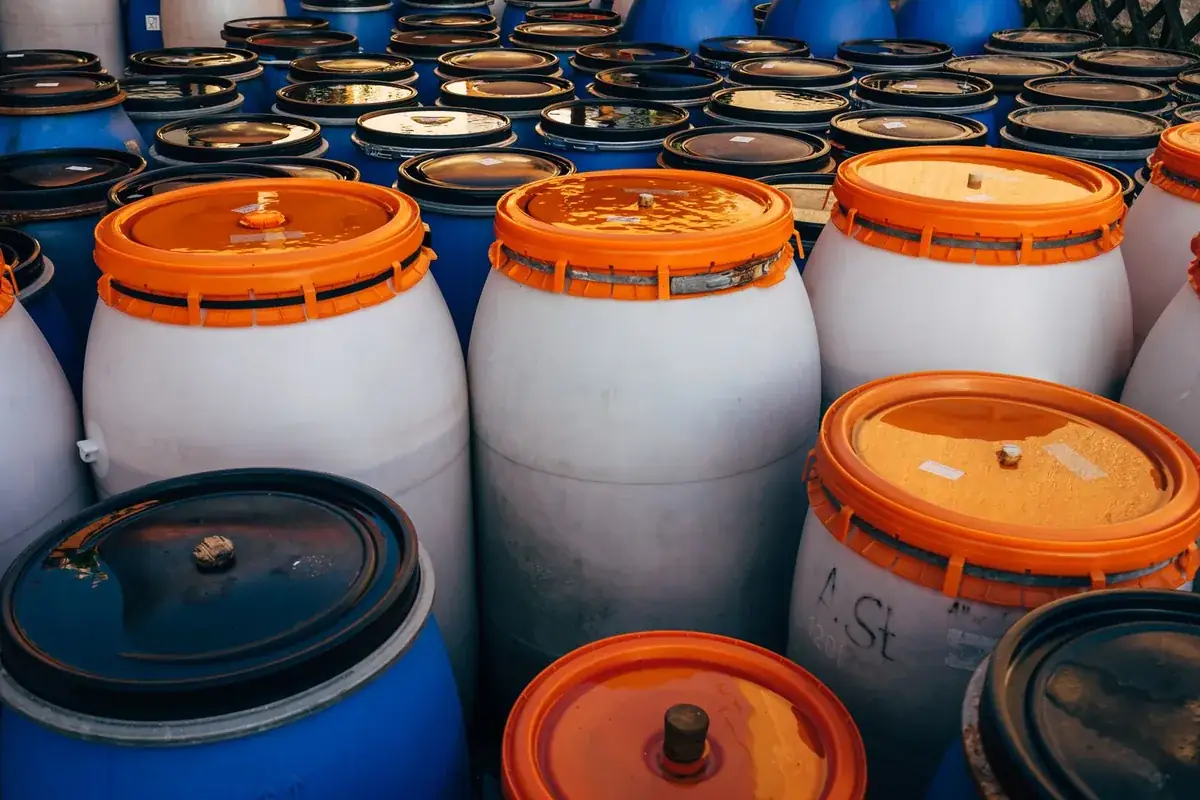
Drug residue cleanup removes powders, stains and films left on floors, furniture and fabrics after drug use. Because residue is often invisible and hard to identify, crews treat it as hazardous.
If you are unsure whether your space in Atco needs cleaning, you can talk with Atco Biohazard Cleanup Help about it in Camden County. The team helps sort out what is paraphernalia cleanup and what may call for more testing.
The vacancy rate in Camden County is only about 5%, so most paraphernalia calls come from occupied homes, rentals and businesses. After a needle stick or exposure to an unknown substance, get medical care. West Jersey Hospital in Voorhees is the closest emergency room to Atco.
A typical drug paraphernalia cleanup job includes:
The crew can arrive in an unmarked vehicle and work without drawing attention if the owner prefers.
Sharps come first, then bags, foil, containers and stained linens. Each is sorted into the right container.
Floors, furniture and fixtures are cleaned. Porous materials that hold residue are cut out or removed.
Surfaces are disinfected, odors are treated, and a last walk-through confirms the space is ready.
The cost of drug paraphernalia cleanup in Atco, NJ depends on the amount of material, how it is packed and how it is hauled.
Documentation for a landlord, insurer or buyer can add some time, so tell the team up front if you will need it.
| Type of job | Typical range |
|---|
Estimates only, not a quote. Sources: . Price drivers include amount of material, whether residue is present, surfaces affected, waste disposal. Call (877) 812-4220 to talk through the job.
Vehicles can hold syringes, residue and odor in seats, carpets and vents. Ask whether the team cleans vehicles and how soft materials are treated. Crews use the same protective gear and sealed containers as in a building.
It can. Powders and stains may stay on floors, furniture, bedding and in vents after the items are gone. That is why a team cleans and disinfects the surfaces and removes soft materials that cannot be cleaned. Ask what the plan covers.
Wash the area with soap and water and get medical care right away. Call 911 in an emergency. Poison Control can answer exposure questions. Tell the doctor what happened and where the needle was found, if you know.
Loose syringes should never go in household trash, because they can stab sanitation workers. Other items may carry residue. A cleanup team seals and disposes of everything the safe way.
The owner of the property usually pays at first. Lease terms and local law decide who is responsible in the end. A landlord, an attorney or a tenant rights group can say. Keep any record the cleanup team gives you, since a landlord or insurer may ask for it.
It can. Once soiled items are removed, a team can treat lingering odor in the air and on surfaces. Ask what methods the team uses and whether odor treatment is part of the plan or a separate step.
Crews work without judgment and focus on making the space safe.
Call (877) 812-4220